SERS in process analytics: when surface enhancement actually helps
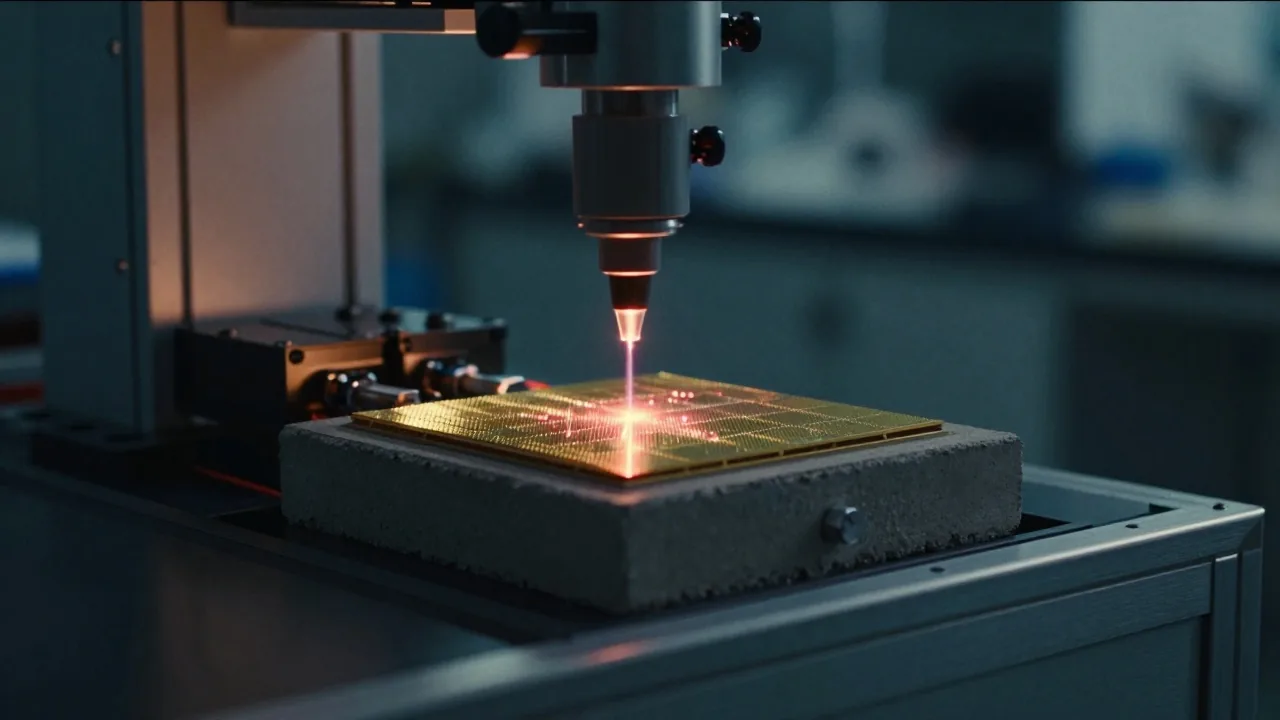
SERS makes Raman a billion times stronger and a hundred times more fragile. For most inline measurements that is the wrong trade. The places where it pays off are narrow but real.
Process analytics, sourced.
Spectrane reports on process analytical technology (PAT), spectroscopy, chemometrics, and the instruments and software used by chemical, pharmaceutical, and polymer manufacturers. Every claim is sourced; every comparison shows its method.

SERS makes Raman a billion times stronger and a hundred times more fragile. For most inline measurements that is the wrong trade. The places where it pays off are narrow but real.
A primer on PAT - the FDA-driven framework for measuring chemistry where it happens, why pharmaceutical and chemical manufacturers adopt it, and the tools that make it practical.
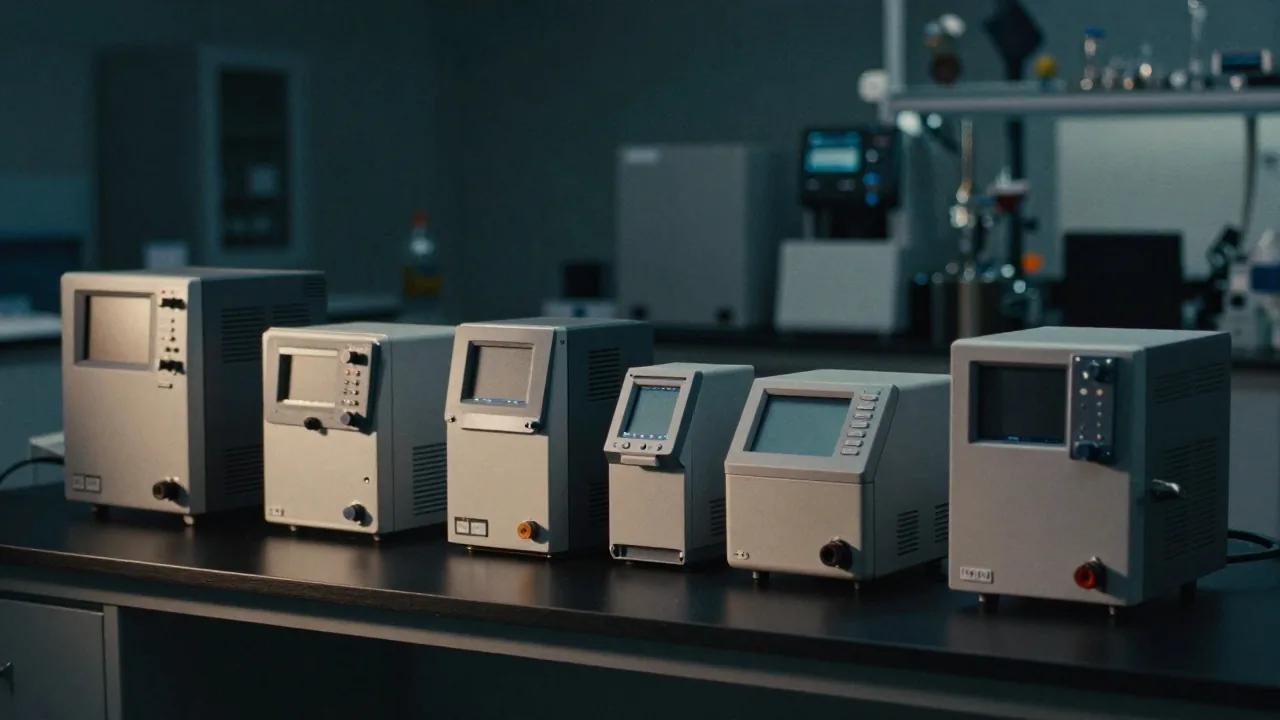
Nine vendors, one technique. Where the differences actually matter - multi-channel architecture, probe ruggedization, software ecosystem, and regulatory track record - and how we evaluated them.
Twenty years of guidance documents - 2004 FDA PAT guidance, ICH Q8 through Q14, ASTM E2363 - turned a fragmented vocabulary into a working framework. A reading guide.
Both techniques measure chemical composition without sampling. The choice is rarely close once you map your process onto five questions: water, fluorescence, specificity, dynamic range, and probe access.
scikit-learn, pyChemometrics, ChemometricsLib, and the rest. A practitioner's review of what works for inline spectroscopy, what doesn't, and where the gaps still are.
A feasibility study costs less than the analyzer and reduces project risk by an order of magnitude. The shape of a useful one - what to measure, on what samples, against what reference, with what success criteria.
Spectra are not answers. The bridge between a 1,000-channel spectrum and a number you can act on is chemometrics - a small toolbox of multivariate methods, used the same way for forty years.